Magnesium

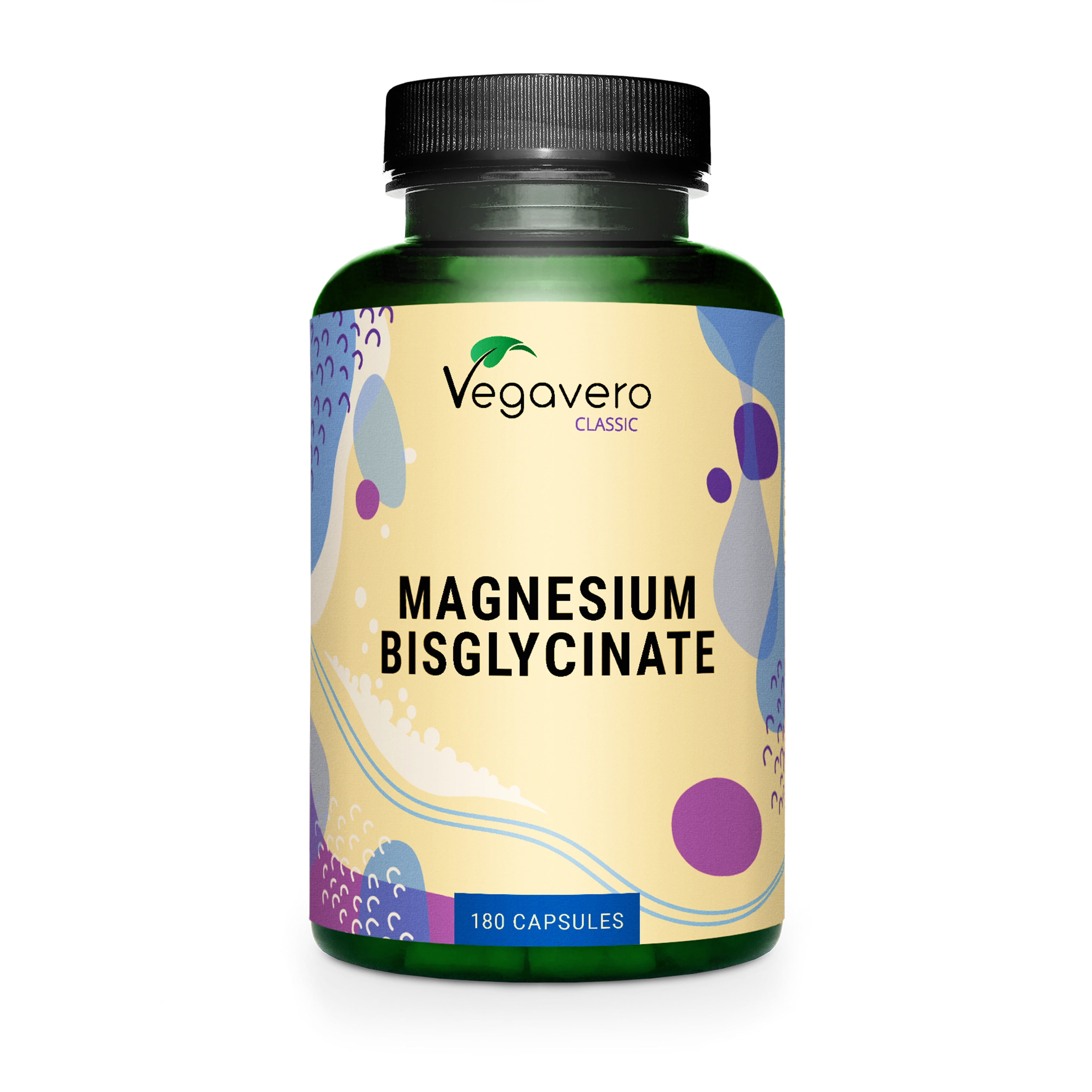
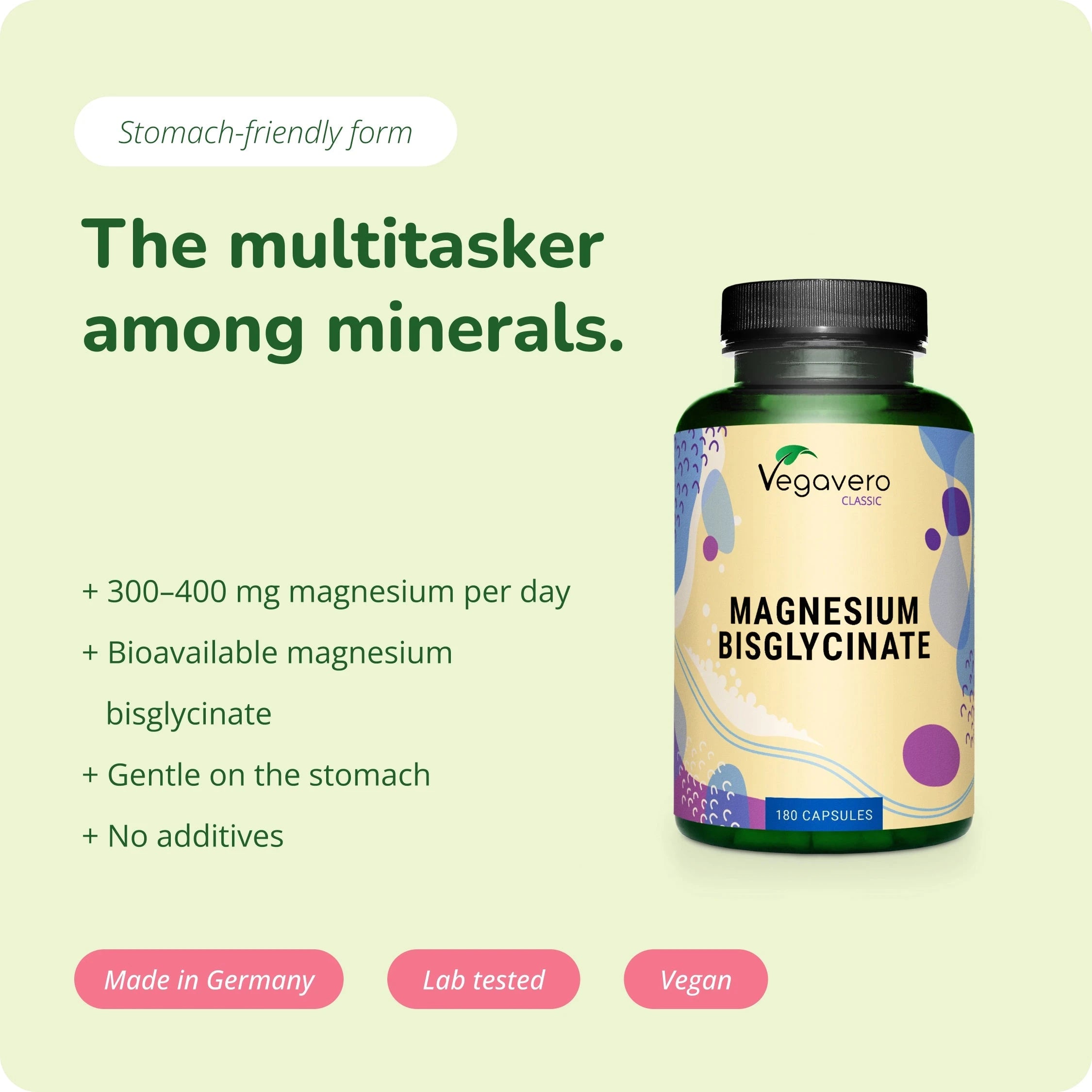
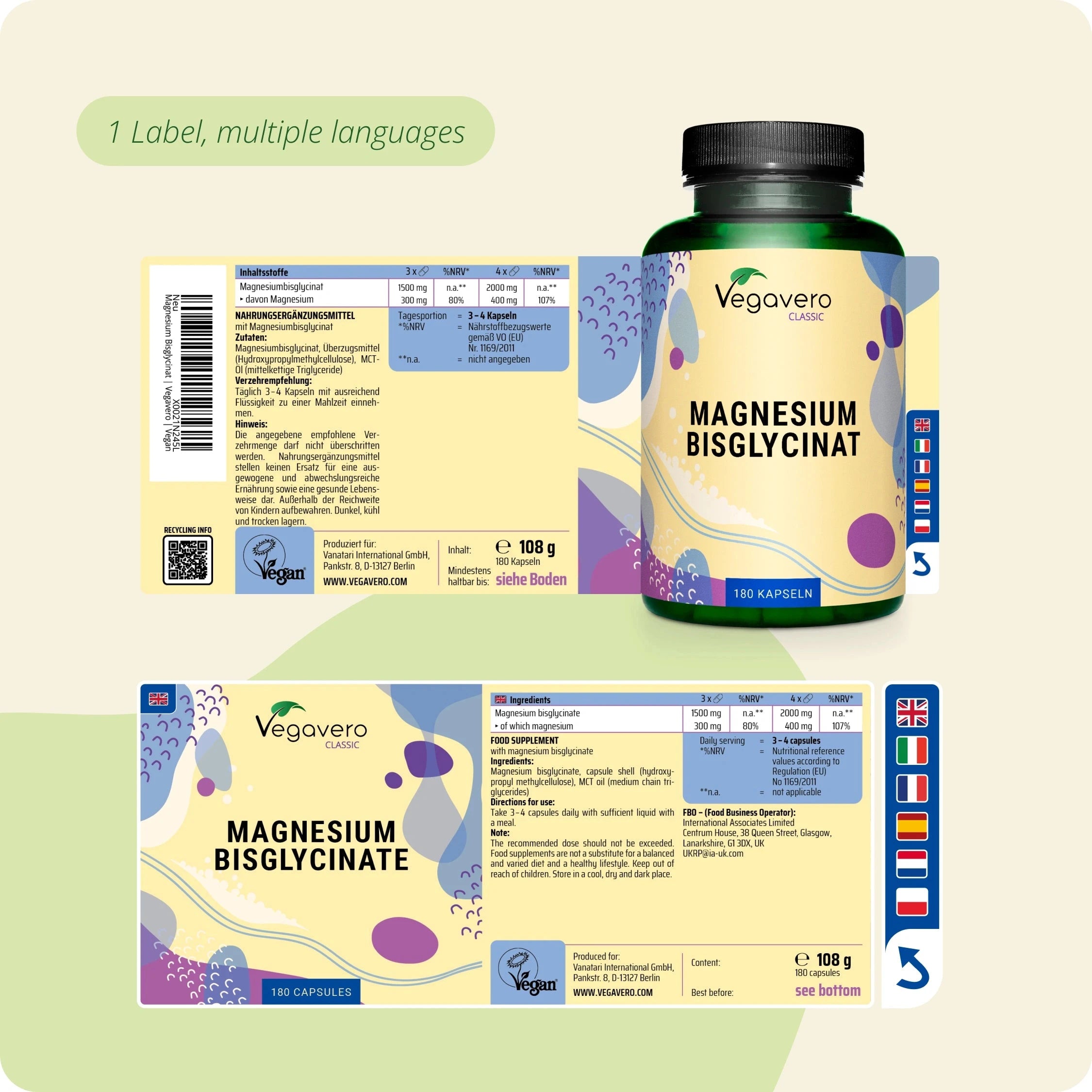
As an essential mineral, magnesium is involved in numerous bodily processes, including muscle function, the nervous system, and energy metabolism. However, not all magnesium compounds are created equal. At Vegavero, we ensure that our capsules and powders provide exactly what your body can efficiently absorb – without synthetic additives like magnesium stearate.

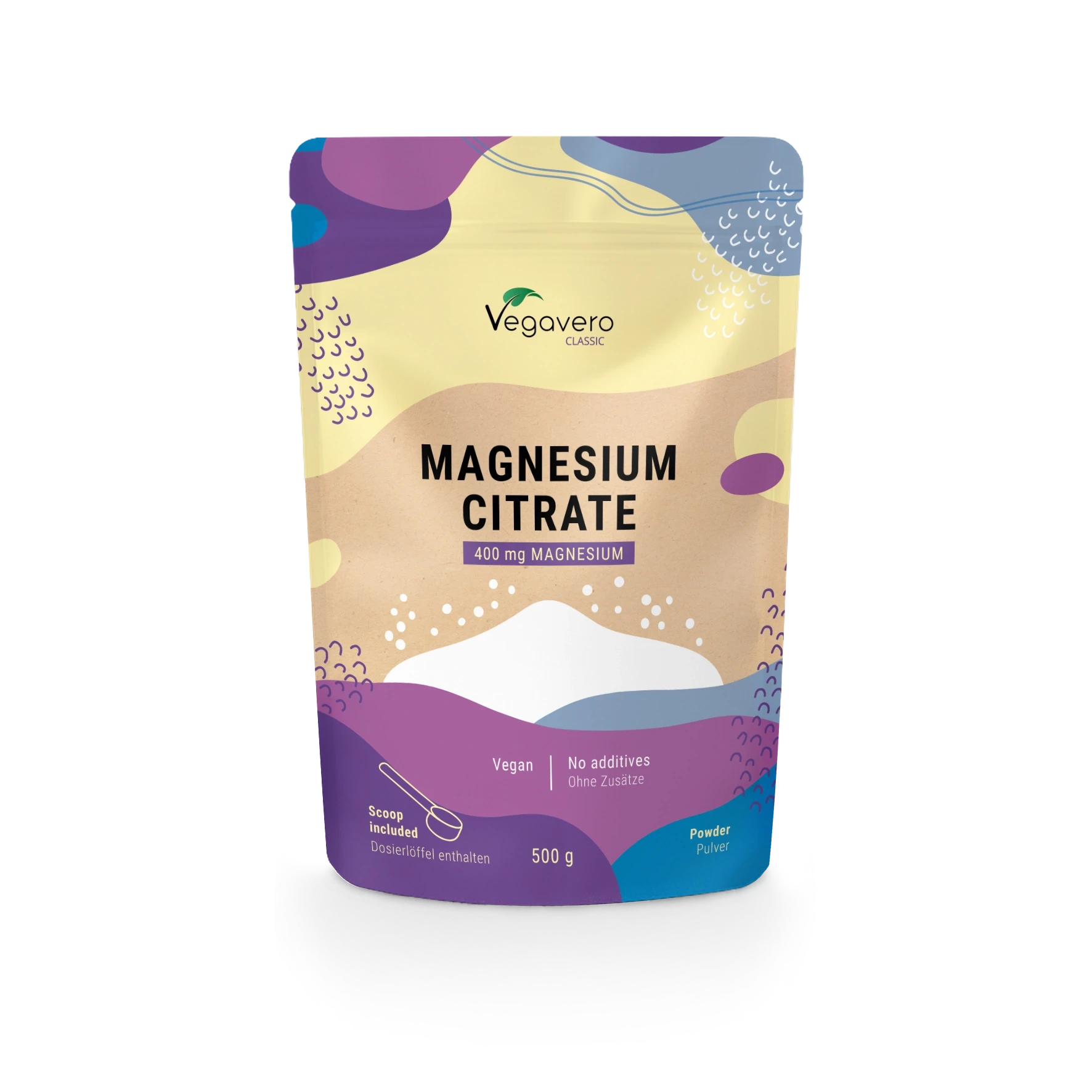
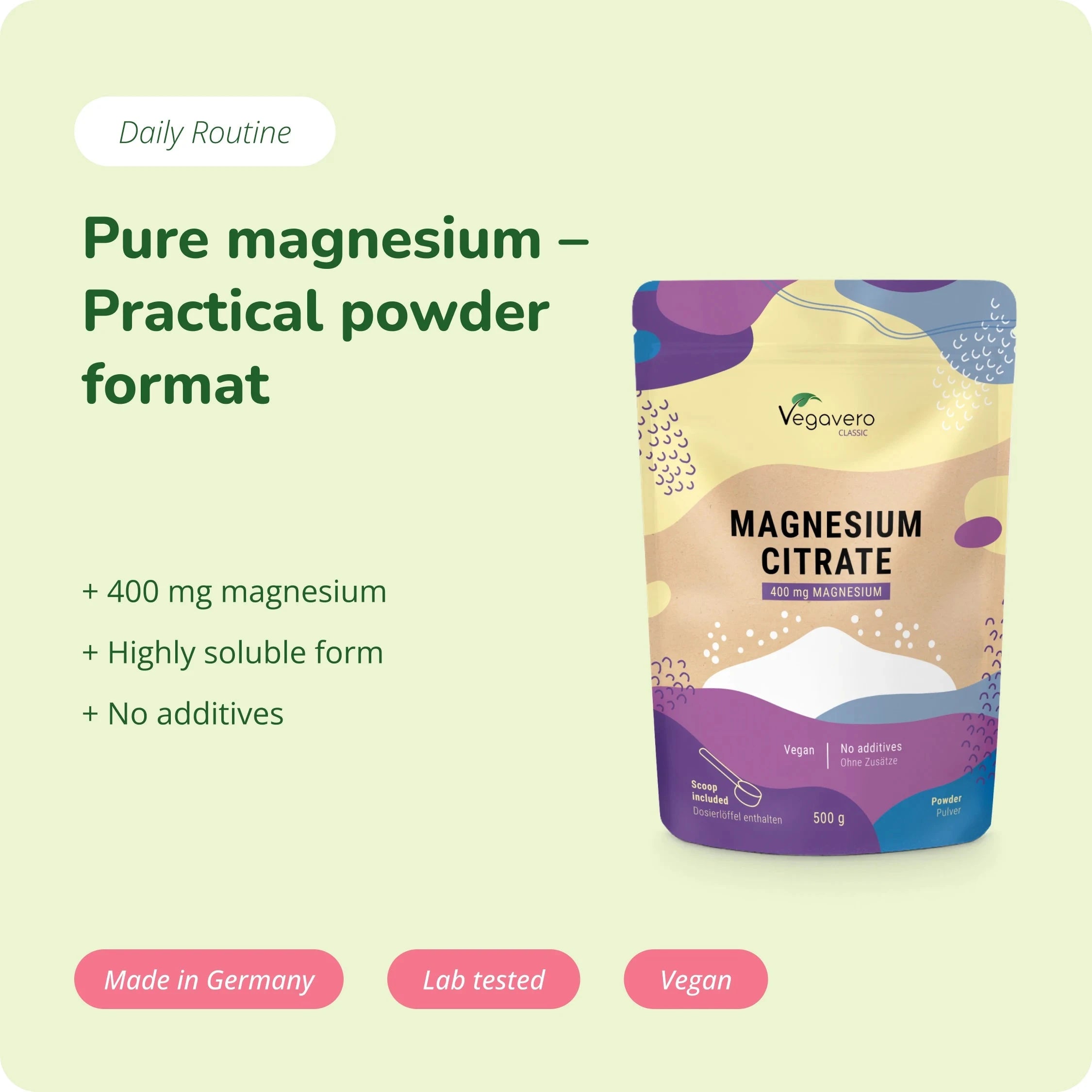
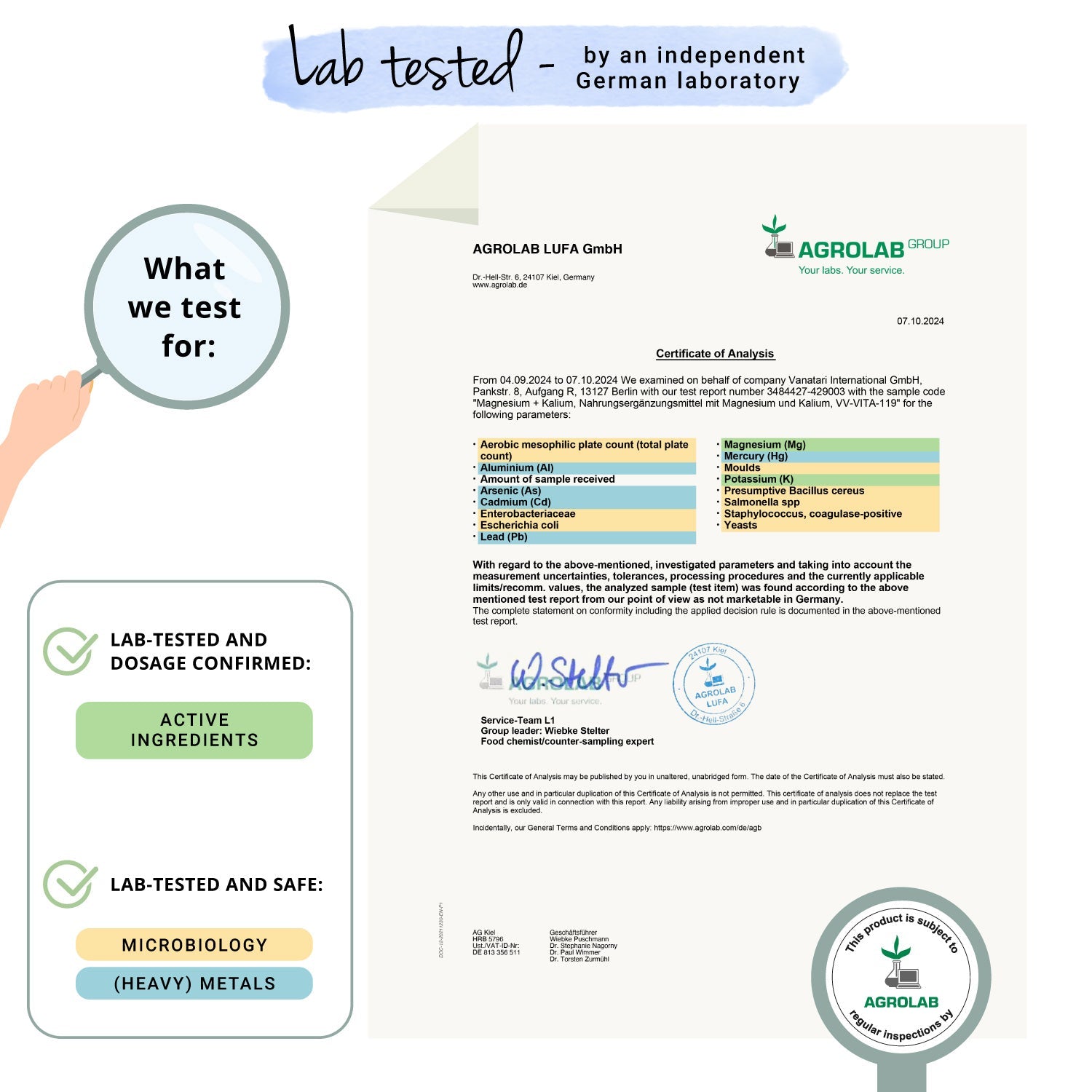
Whether it’s highly bioavailable magnesium bisglycinate for a particularly stomach-friendly application or highly soluble monomagnesium citrate for easy integration into beverages – we focus on transparency regarding bioavailability and elemental magnesium content. All our products are vegan, manufactured in Germany according to HACCP standards, and independently lab-tested to guarantee maximum purity and safety.

Magnesium Bisglycinate 20%

100% Vegan
Responsible Ingredients
Made in Germany
Lab tested

Mono Magnesium

Magnesium is involved in hundreds of processes in the body, and its effectiveness depends heavily on the form used. The chemical compound determines how efficiently it is absorbed and how well it is tolerated. We therefore rely on highly bioavailable, chelated magnesium bisglycinate as well as highly soluble monomagnesium citrate. These organic forms are characterized by high purity and are free from unnecessary additives or carriers.

Magnesium Combinations
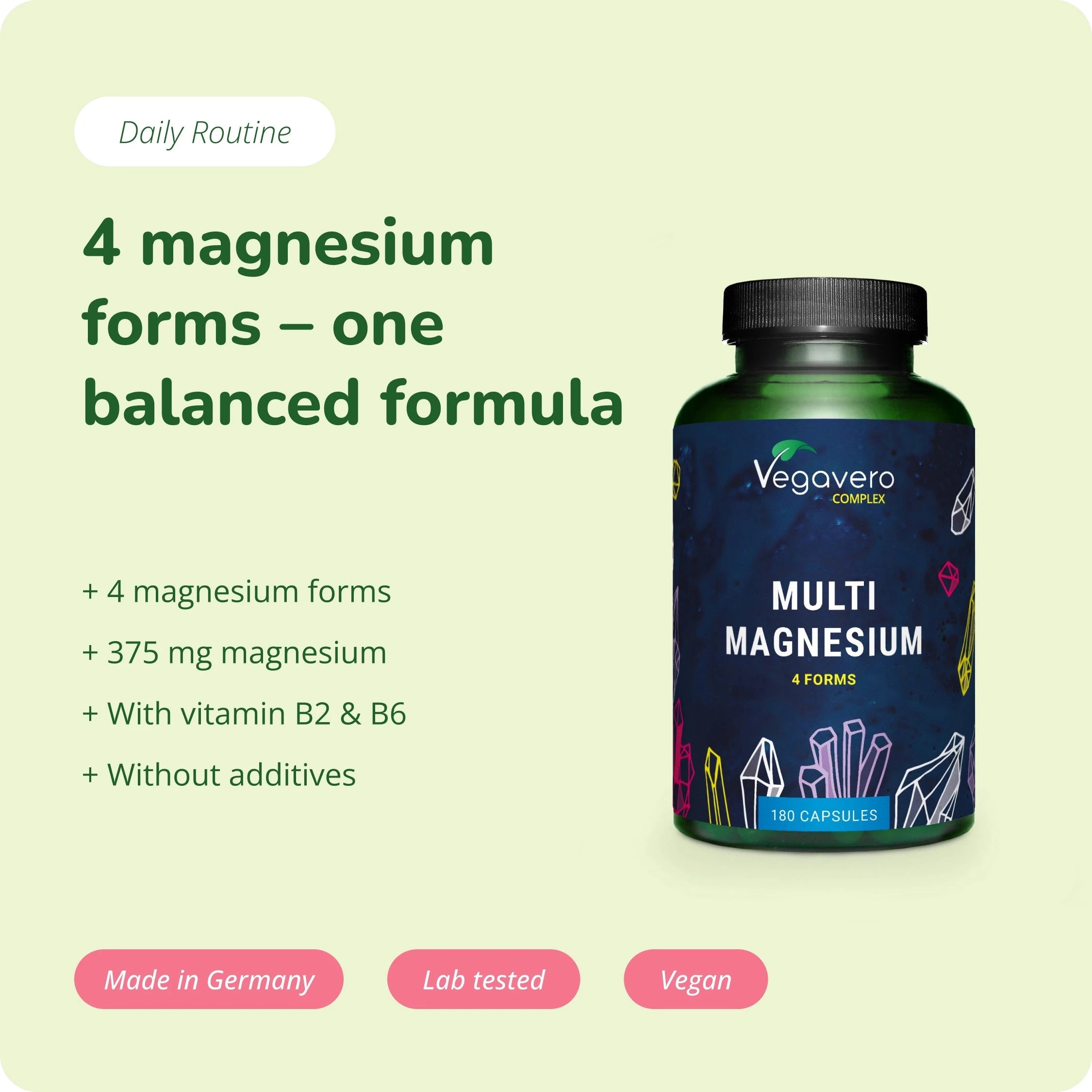
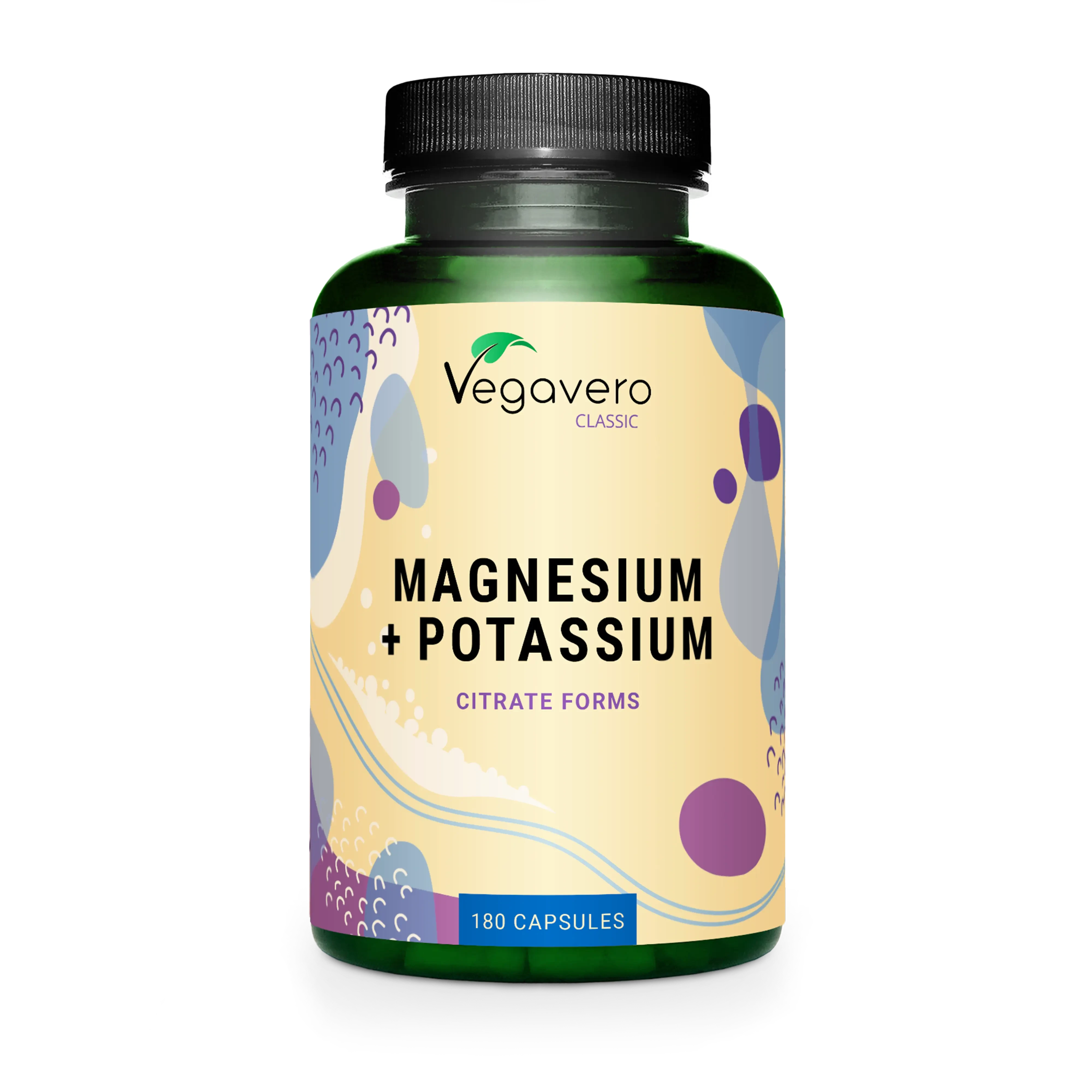
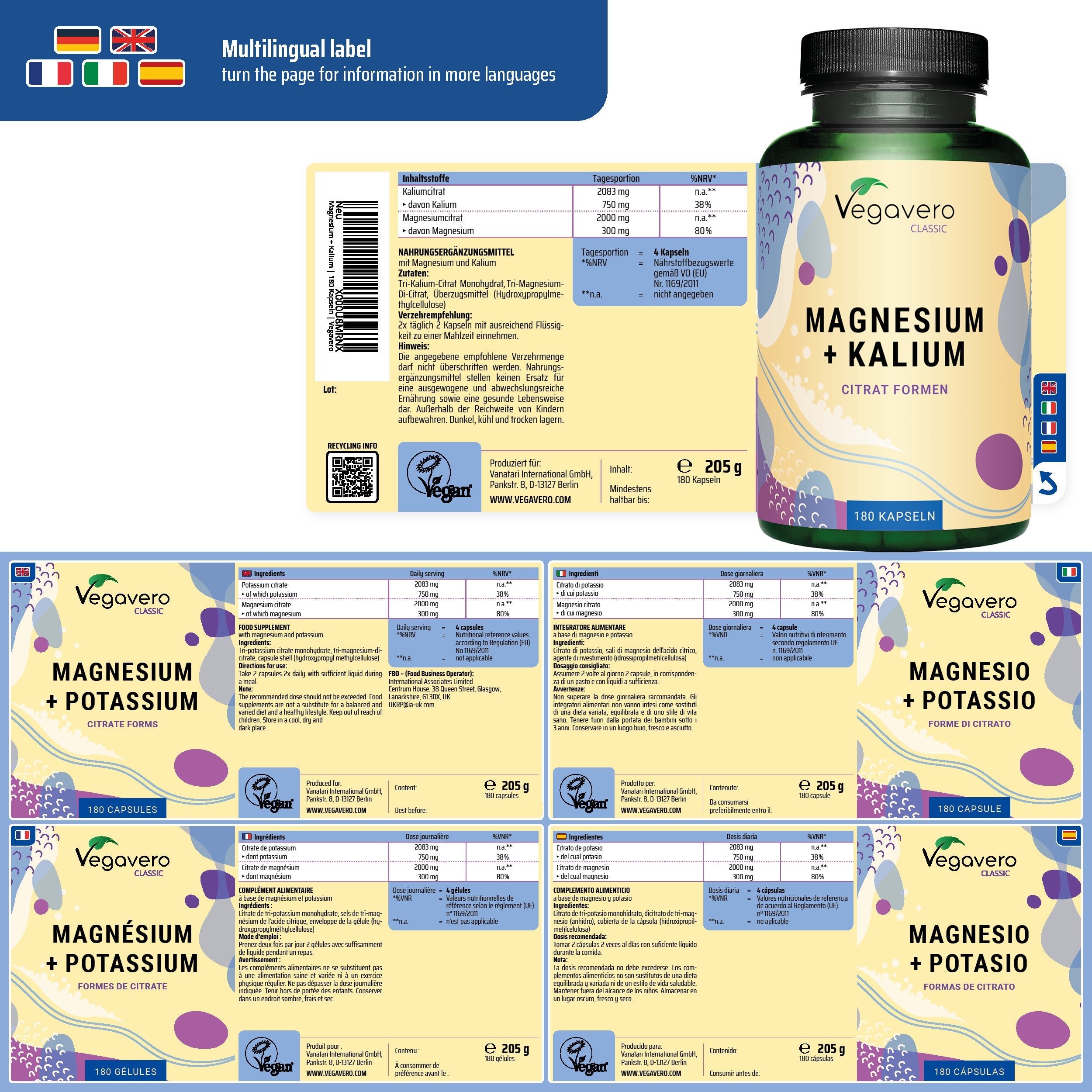
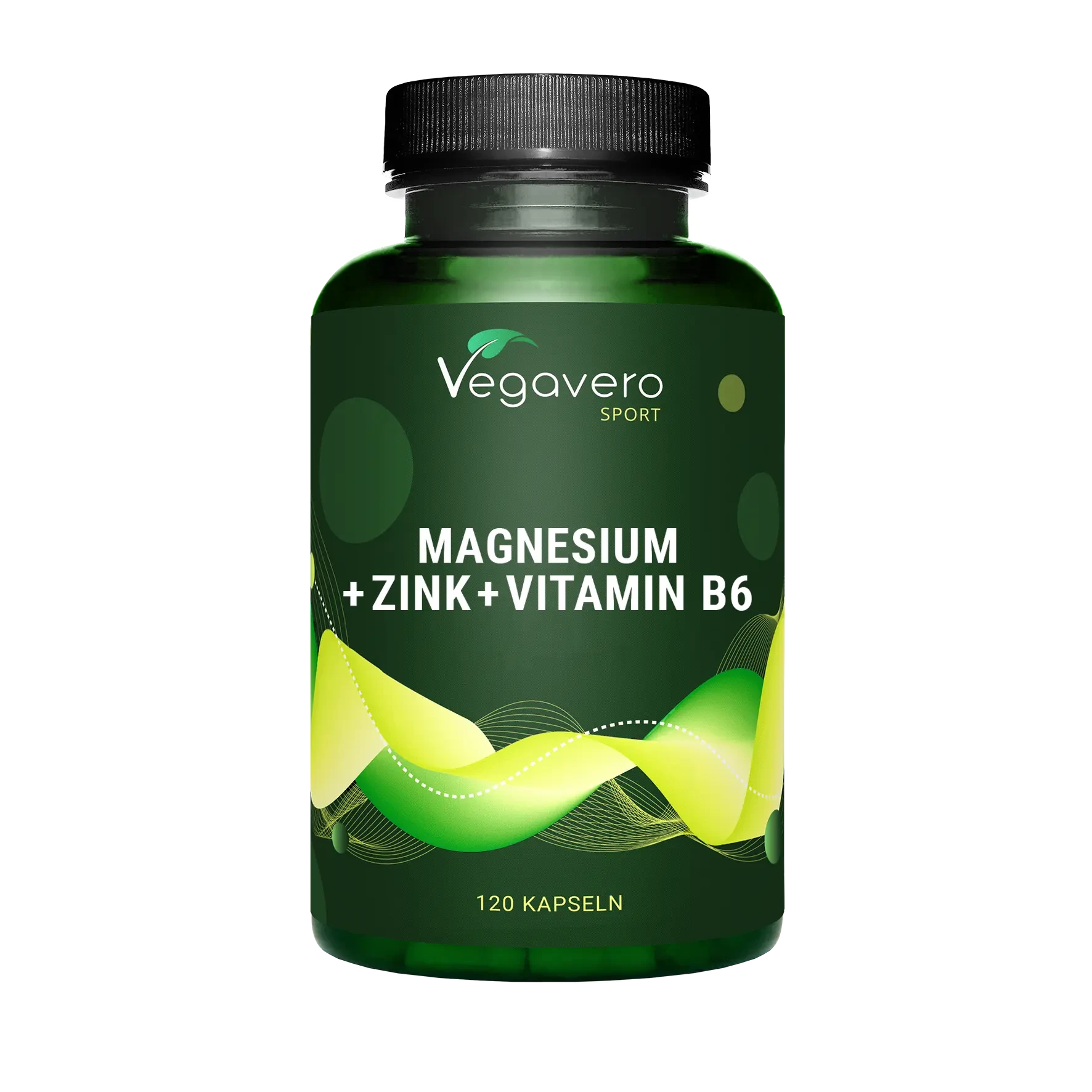
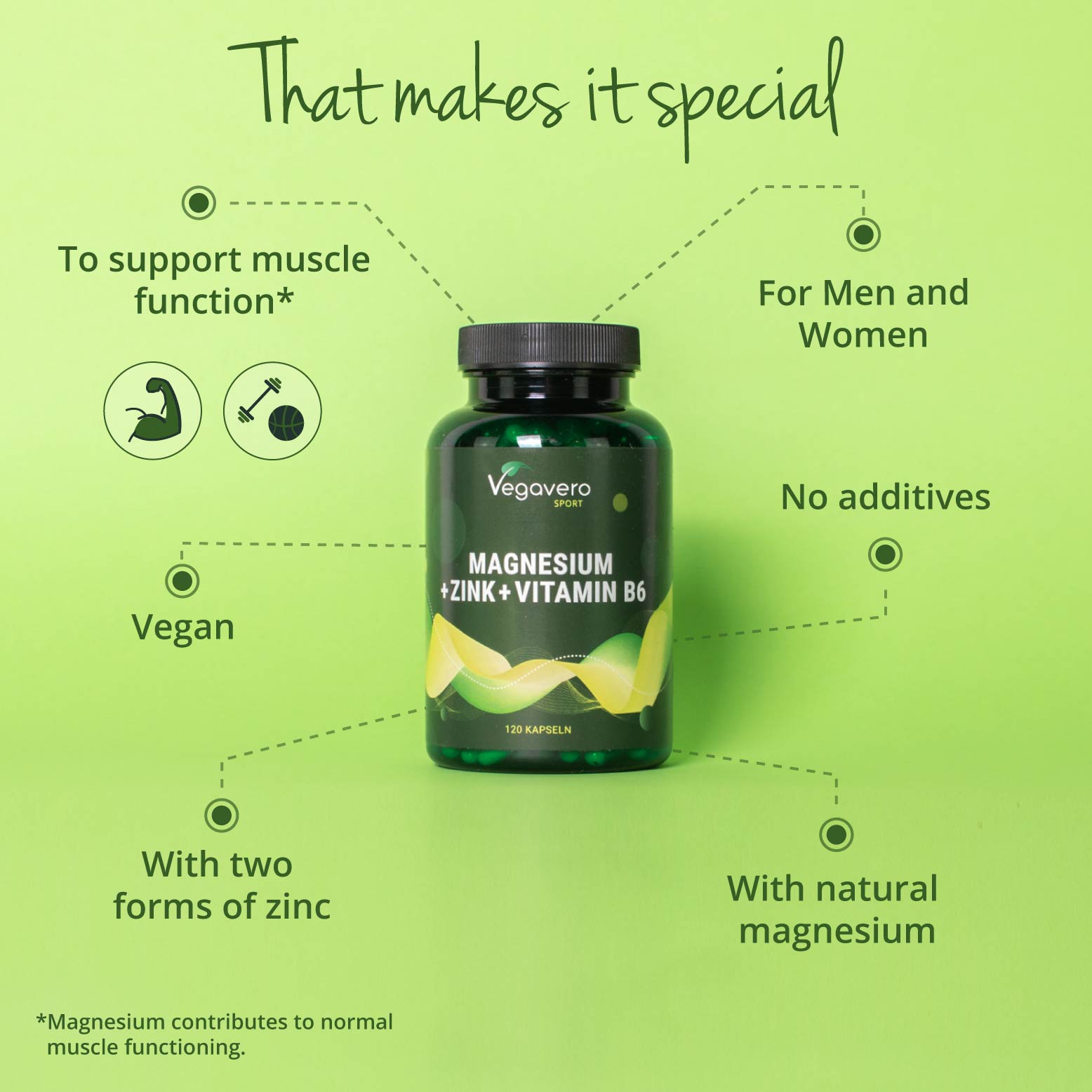
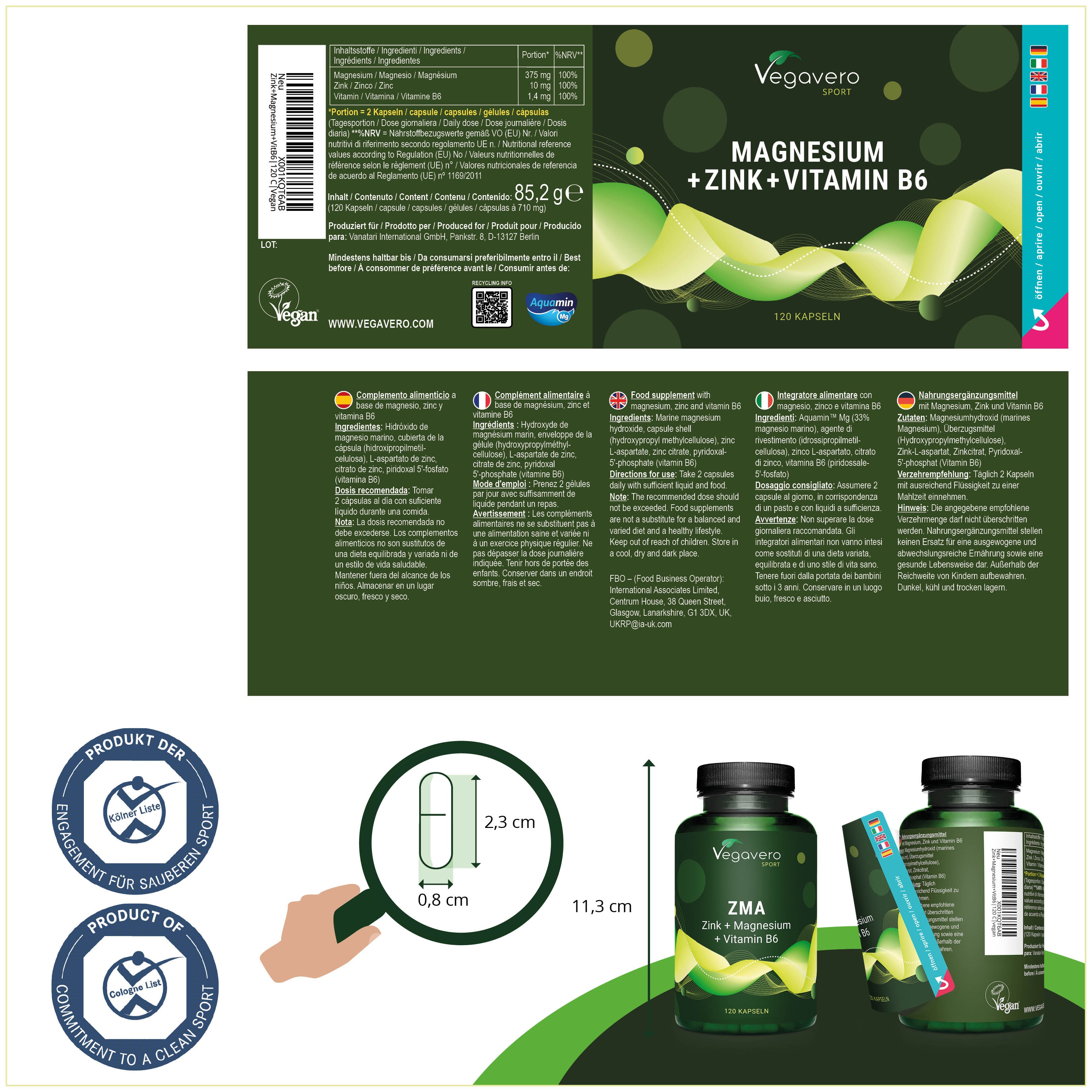
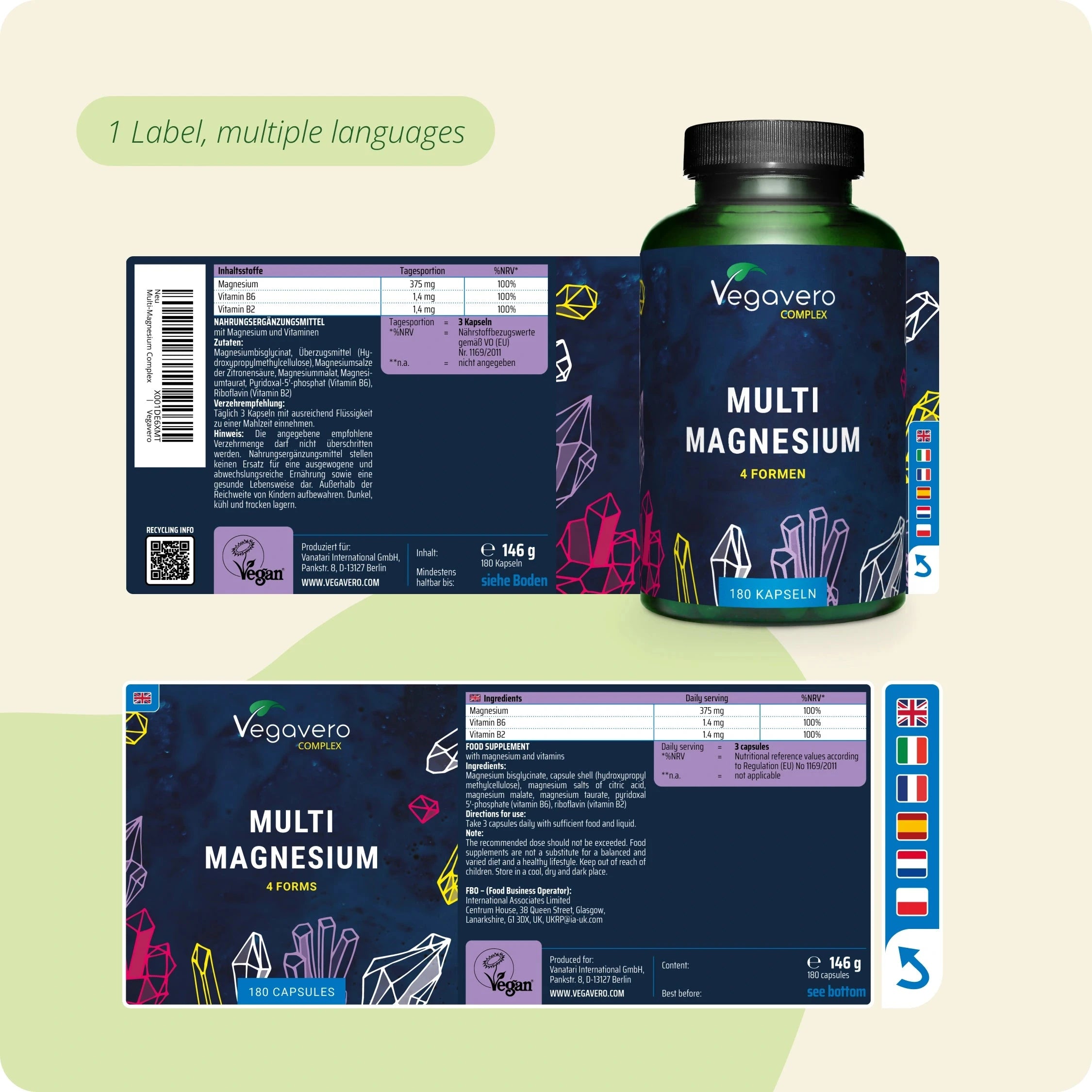
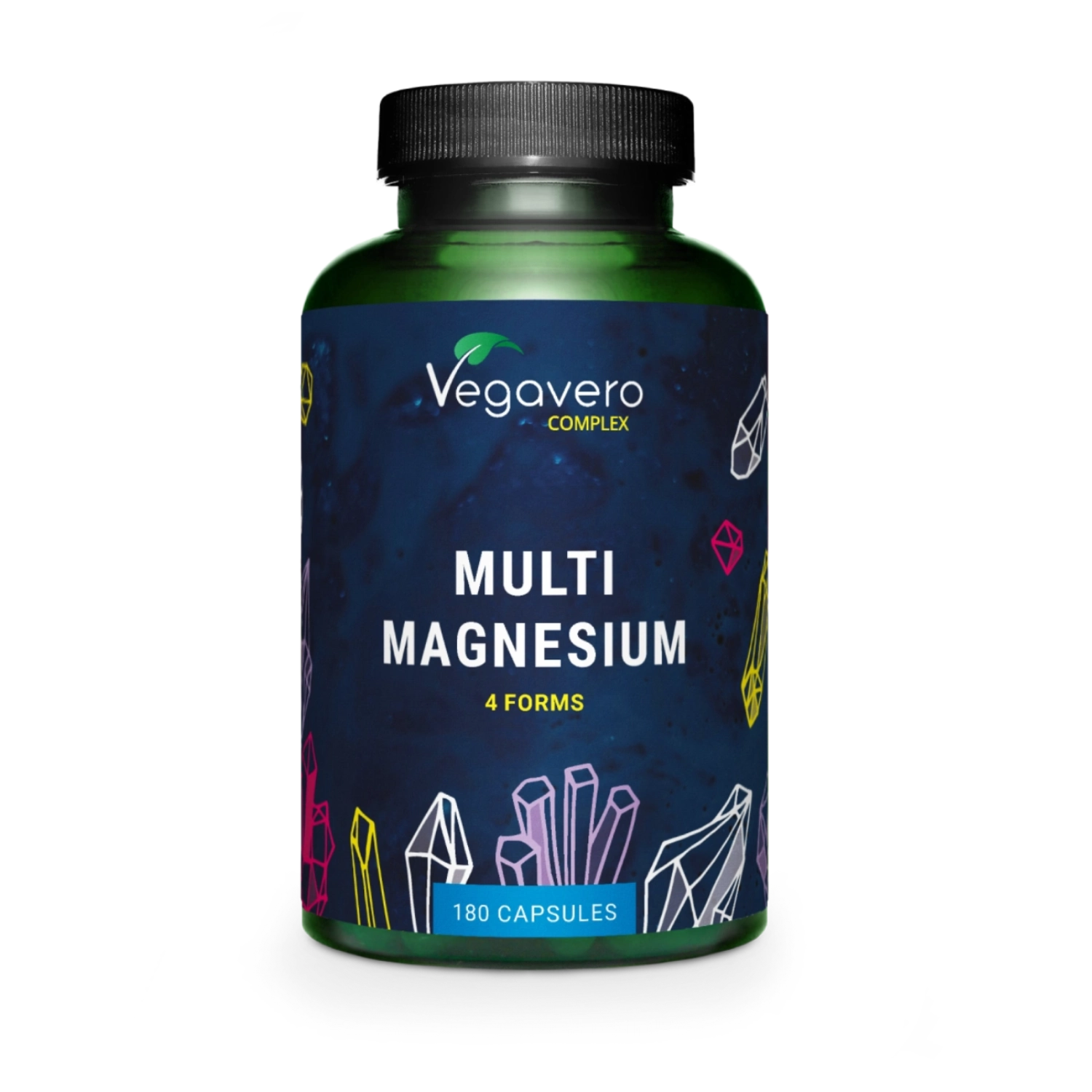
A magnesium complex combines different compounds with synergistic micronutrients such as potassium, zinc, or B vitamins. While blends like Magnesium + Potassium or ZMA specifically target muscle function, energy metabolism, and hormonal balance, our Multi Magnesium Complex combines four forms for versatile daily support. Offering high-dose magnesium is a matter of science and transparency for us: we precisely declare the elemental magnesium content instead of just the total compound weight. Our products are vegan, lab-tested according to HACCP standards, and strictly free from synthetic additives like magnesium stearate.

Magnesium in a Set

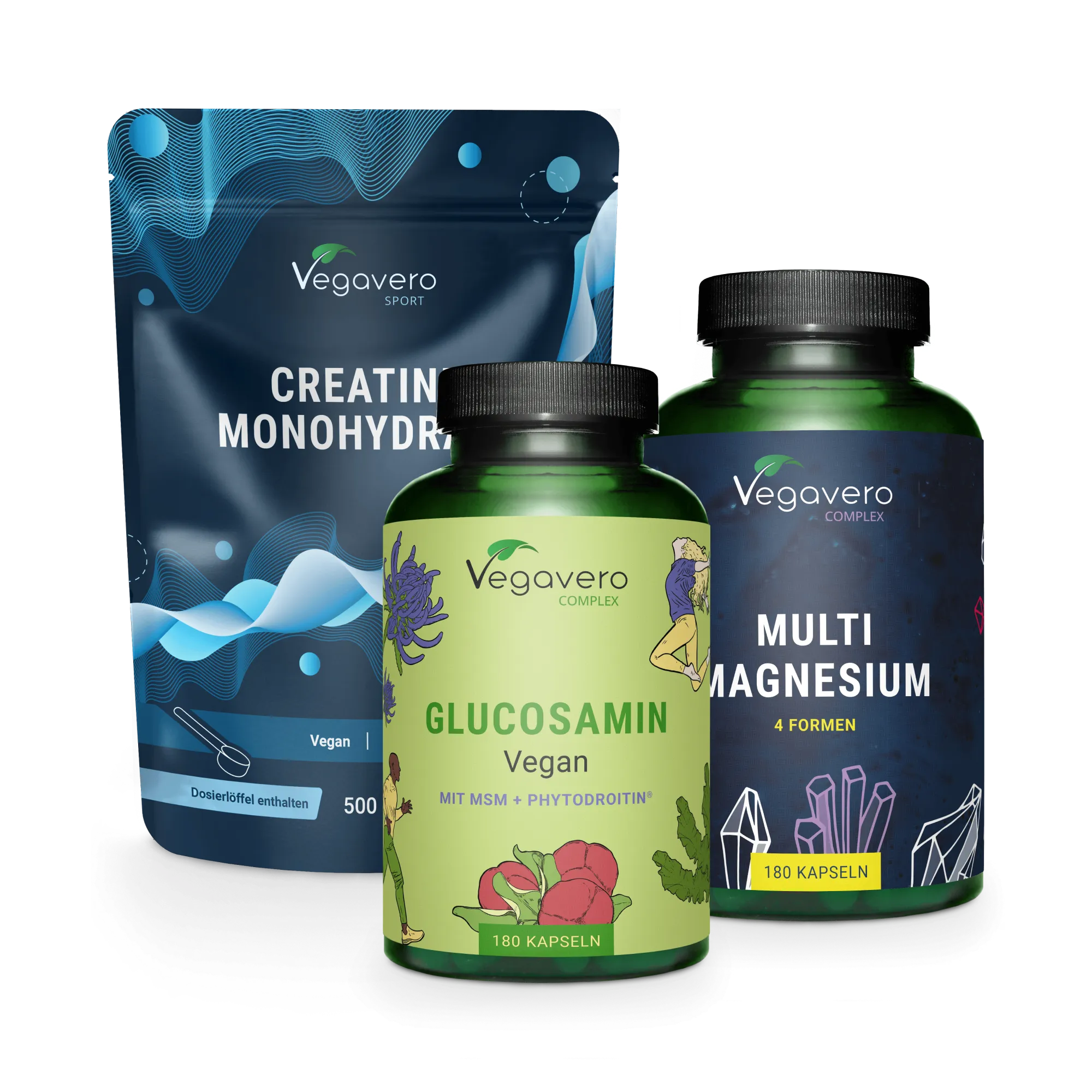
Combining different nutrients is often physiologically more effective than isolated intake. Our sets are designed so that the individual components complement each other's effects, while bundling the products also offers a price advantage. An example is our All Day Athlete Set: here we combine Creatine Monohydrate, providing 3 g of pure creatine per portion for intensive workouts, with our Glucosamine Complex. The latter contains vegan glucosamine from fermentation, MSM, phytodroitin, and vitamin C to support normal collagen formation for cartilage function. Combined with the Multi Magnesium Complex, this creates a goal-oriented assembly for performance, joints, and mineral balance. All sets are developed by scientists based on evidence-based formulas and are consistently vegan.

FAQs on Magnesium

What is magnesium good for?

Magnesium is a true multi-talent for your body. According to the European Health Claims Regulation (NHCR), it is scientifically confirmed that this mineral contributes to normal muscle function and the normal functioning of the nervous system. In addition, magnesium supports a normal energy-yielding metabolism and contributes to the reduction of tiredness and fatigue. Maintaining a sufficient supply is also essential for the maintenance of normal bones and teeth. Furthermore, magnesium makes an important contribution to normal psychological function.

What should not be taken together with magnesium?

To ensure your body can absorb magnesium optimally, you should pay attention to the timing in relation to certain other substances. Magnesium can influence the absorption of iron, zinc, and calcium if swallowed at the same time. The combination with Vitamin D3 is also important to understand: magnesium is required for its activation. Phosphate-containing drinks or a very high-fiber diet can temporarily reduce absorption. Also, make sure to take the capsules or powder with sufficient liquid.

Why should magnesium be taken in the evening?

Evening intake is particularly popular because magnesium contributes to the normal functioning of the nervous system and to normal muscle function. Many people therefore value a supply in the evening. Since the body's own excretion via the kidneys increases in the early morning hours, an evening daily dose can also help to keep levels stable throughout the night.

When should you not take magnesium?

You should not take magnesium directly with meals that contain high amounts of phytates (e.g., from legumes). The choice of magnesium form depends on your goals: Tri-magnesium dicitrate is often chosen for rapid absorption, while magnesium malate is popularly used in the morning due to its role in energy-yielding metabolism. In case of severe renal dysfunction, you must consult your doctor before intake.

Can you overdose on magnesium?

Excess magnesium is usually excreted via the kidneys. The most common side effect of an amount exceeding the recommended intake is soft stools. We therefore recommend strictly adhering to the serving suggestion on the label.

How long does it take for magnesium to work?

The duration depends heavily on your current nutritional status. While magnesium contributes to a normal energy-yielding metabolism and normal muscle function, balancing low magnesium levels often requires consistent intake over several weeks.

Is magnesium citrate or oxide better?

While magnesium oxide is often found in simple preparations, we rely on organic forms such as magnesium citrate and magnesium bisglycinate. These forms are known for their high bioavailability compared to inorganic oxides. In our complex formulas, we combine these different magnesium sources to utilize various absorption pathways and ensure a steady supply.

Learn more in our Green Journal

Magnesium and Potassium – Why Do We Need Them?

Magnesium and Potassium – Why Do We Need Them?

Vital minerals Potassium and magnesium are vital minerals with important functions for a variety of bodily processes. Among other things, they regulate the excitability of cells and ensure their electrical stability, the so-called membrane resting potential. They also play a...

Read more

Magnesium Stearate: Here’s why it’s not harmful

Magnesium Stearate: Here’s why it’s not harmful

Magnesium stearate is a type of magnesium salt of stearic acid which, at room temperature, is a white, odourless and water-insoluble powder. Stearic acid is a saturated fatty acid found in many foods, including animal and vegetable fats and oils. Cocoa and flaxseed, for example, are foods that contain significant amounts of stearic acid. It is important to remember that this substance should not be considered as a magnesium supplement, as it contains a very small percentage of the mineral. On the label, its presence may be declared as "magnesium stearate", "magnesium salts of fatty acids" or under the acronym E470b.

Read more